

 English
 中文简体
 русский
 Español
 Français
 عربى
 Português
 हिंदी
 Indonesia
 فارسی
 Tiếng Việt
 Türk



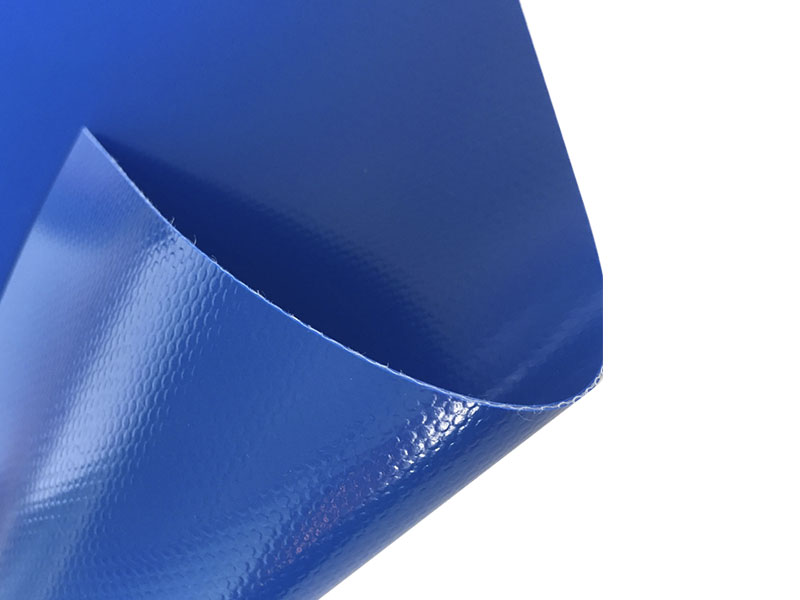
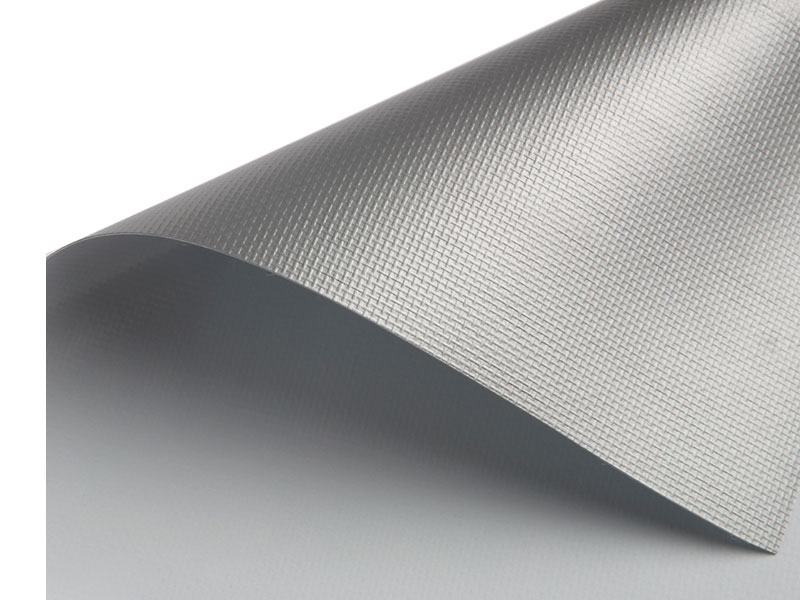
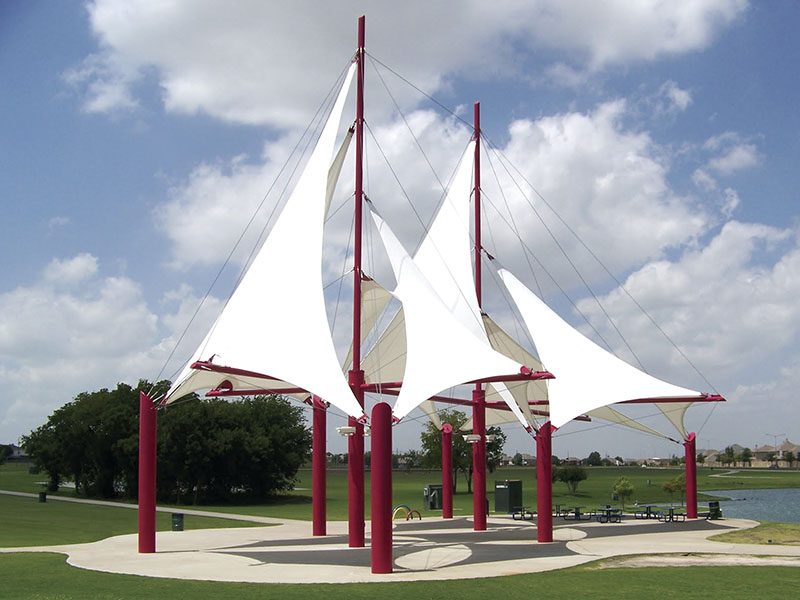

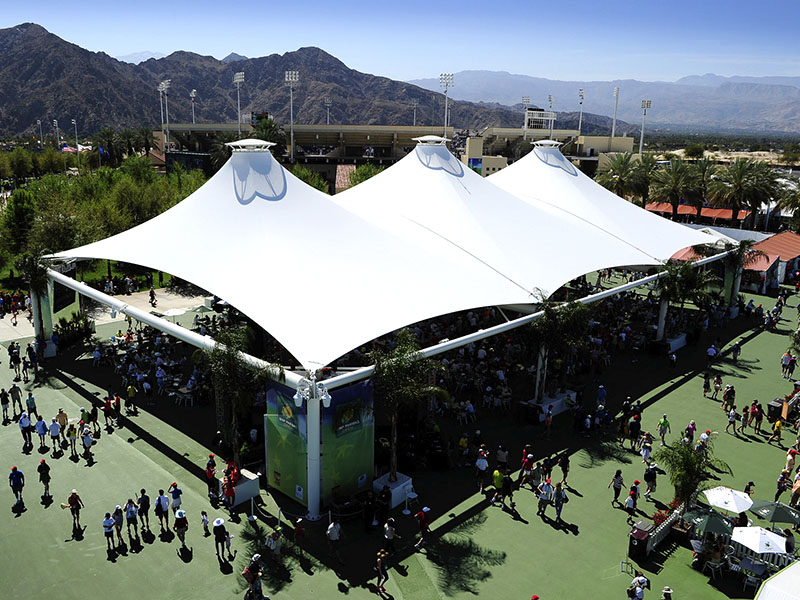
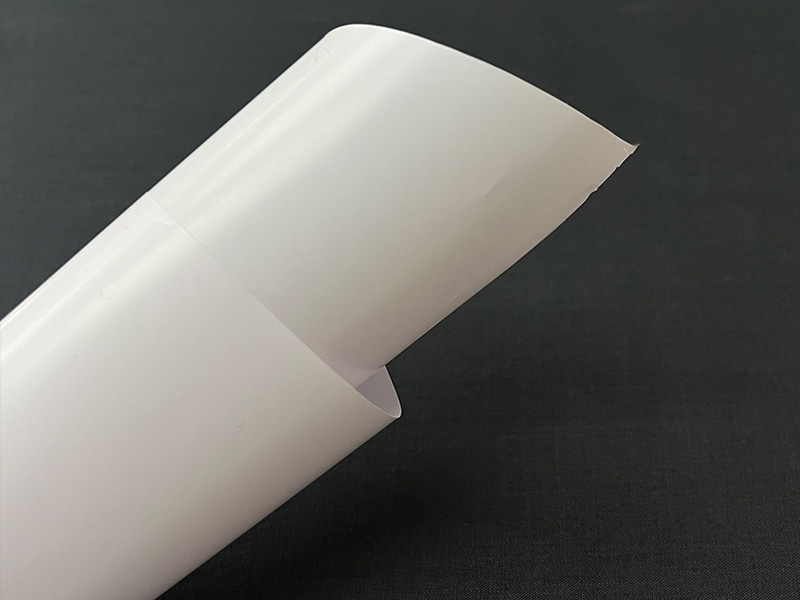
Tent and Marquee PVC Fabric
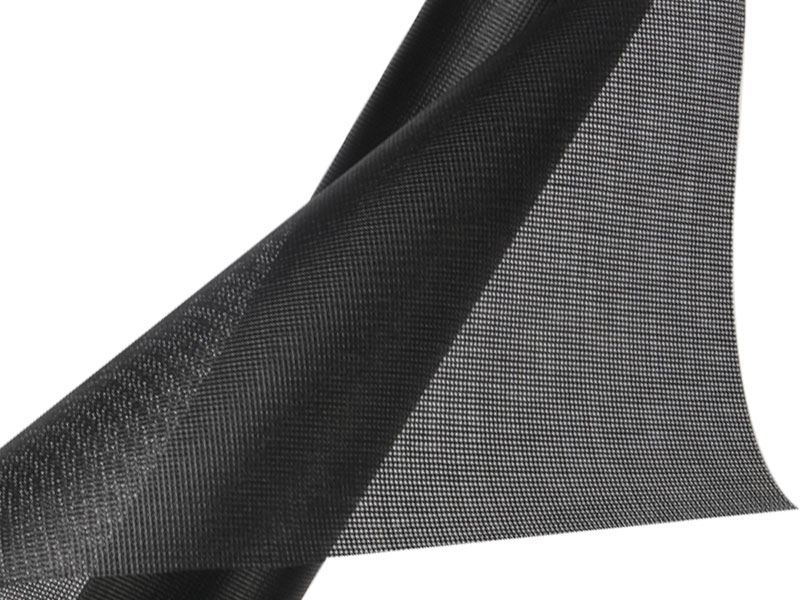
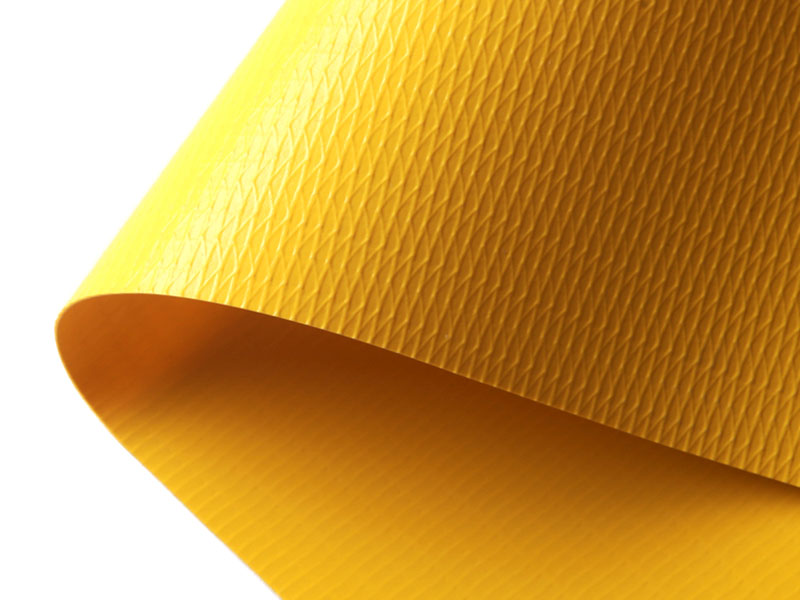
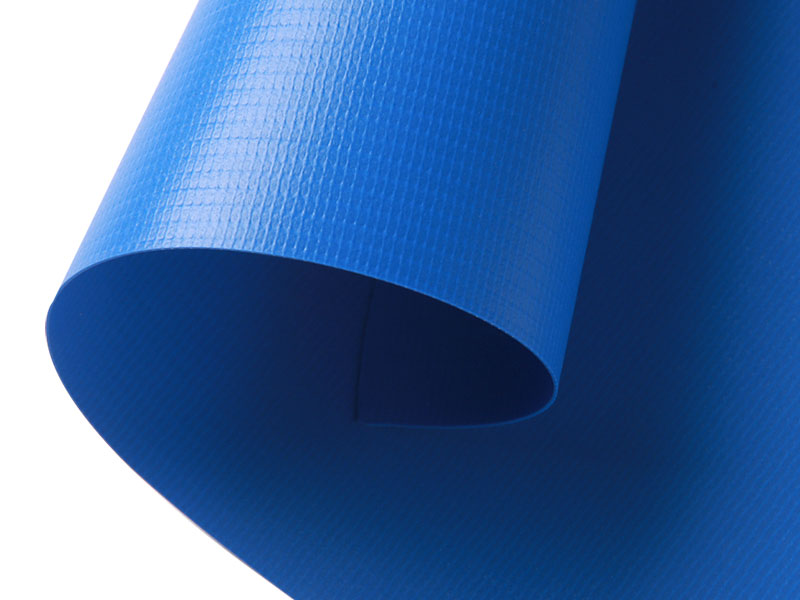
Tent and Marquee PVC Fabric is a coated textile material used in the production of temporary shelters, event marquees, exhibition structures, and commercial outdoor coverings. It typically combines a textile base fabric with a PVC coating to provide a flexible sheet material that can be processed into panels, roof sections, sidewalls, and enclosure components.
Material selection depends on the structure design, installation environment, expected exposure conditions, and fabrication requirements. Important considerations include fabric weight, base fabric construction, tensile strength, tear resistance, coating adhesion, flexibility, and the required weathering or fire performance. These specifications should be matched to the intended application rather than assumed from the product name alone.
Strength and tear resistance for tensioned structures and repeated handling.
Resistance requirements based on outdoor installation conditions.
Suitability for welding, cutting, reinforcement, and panel assembly.
PVC Coated Textile Construction for Tent Applications
Tent and marquee fabrics are commonly produced using a textile reinforcement layer coated with PVC. The base fabric and coating system work together to determine the material's physical properties and processing behavior.
Textile Base Fabric
The textile reinforcement provides structural support and contributes to tensile strength, tear resistance, dimensional stability, and handling characteristics. Its yarn type, density, and construction should be selected according to the intended structure.
PVC Coating Layer
The PVC coating forms the functional surface of the material. Coating formulation and application affect surface appearance, flexibility, coating adhesion, and resistance to environmental exposure.
Surface Finish
Surface treatments and finishing options can be selected according to cleaning requirements, visual appearance, printing needs, and the expected operating environment.
Actual fabric construction varies by product model. Buyers should confirm the textile material, fabric density, coating structure, and finishing process with the supplier.
Properties That Matter in Tent and Marquee Fabric
Outdoor structures place different demands on roof coverings, sidewalls, and enclosure panels. The following properties should be evaluated against the intended design and operating conditions.
Tensile Strength
Relevant to fabric panels installed under tension. Required values depend on panel dimensions, structural design, attachment spacing, and installation loads.
Tear Resistance
Helps assess the material's ability to resist tear propagation around edges, fastening points, and areas subject to handling stress.
Coating Adhesion
Indicates how well the PVC coating remains bonded to the textile base during fabrication, handling, and service.
Weathering Resistance
Outdoor applications may require resistance to UV exposure, moisture, temperature variation, and other environmental factors.
Flexibility and Cold Resistance
Important when fabric is folded, rolled, transported, or installed under changing temperature conditions.
Flame Performance
Some event venues and commercial projects require materials that meet specified fire performance standards.
Applications Across Tent and Marquee Structures
Different structure designs require different combinations of fabric strength, weight, flexibility, surface finish, and environmental performance.
Event Marquees
Used for roof covers and side panels in temporary event structures, subject to the structural design and project-specific safety requirements.
Exhibition Tents
Suitable for evaluating as a covering material for exhibition booths, temporary display spaces, and outdoor promotional structures.
Commercial Canopies
Can be processed into canopy panels and commercial shelter coverings where the selected specification meets the required exposure conditions.
Temporary Storage Shelters
Used in selected temporary shelter systems for equipment, materials, or operational areas, depending on structural and environmental requirements.
Festival and Outdoor Event Tents
May be specified for temporary outdoor event coverings where the fabric's mechanical and weather-related properties match the installation plan.
Sidewalls and Enclosure Panels
Can be converted into side curtains, partition panels, and enclosure sections for modular tent structures.
Fabrication Considerations for PVC Tent Fabric
Fabrication requirements should be considered when selecting the material. The coating formulation, fabric construction, and thickness can influence processing settings and finished panel performance.
High-Frequency or Hot-Air Welding
Welding methods may be used to join compatible PVC coated fabrics. Actual compatibility and process settings should be confirmed through welding trials.
Cutting and Panel Layout
Cutting accuracy and panel arrangement affect material utilization, seam positioning, and the dimensions of finished tent components.
Reinforcement and Edge Finishing
Edges, corners, and fastening areas may require additional reinforcement according to the tent design and attachment method.
Printing and Surface Appearance
For branded marquees or promotional structures, confirm printing compatibility, ink adhesion, and the required surface finish before production.
Specification Checklist for PVC Tent Fabric
The following parameters provide a starting point for technical discussions between tent manufacturers, distributors, and PVC fabric suppliers.
| Parameter | Information to Confirm |
|---|---|
| Fabric Weight | Target GSM and allowable weight tolerance. |
| Base Fabric | Textile material, yarn specification, density, and construction. |
| PVC Coating | Coating structure, surface finish, and adhesion requirements. |
| Thickness | Required overall thickness and measurement tolerance. |
| Tensile and Tear Strength | Required warp and weft values and applicable test methods. |
| Weathering Performance | UV, water, temperature, and other exposure requirements. |
| Fire Performance | Applicable fire classification or project-specific testing standard. |
| Roll Dimensions | Material width, roll length, winding direction, and packaging format. |
Specific values should be established according to the buyer's application and confirmed through technical data, test reports, and approved samples.
Quality Checks for Consistent Material Supply
Consistent PVC coated fabric helps tent manufacturers maintain panel quality and reduce variation during fabrication. Inspection procedures should follow agreed product specifications.
Visual and Surface Inspection
Check coating uniformity, visible defects, surface marks, and color consistency.
Dimensional Inspection
Measure fabric width, thickness, and weight against the agreed tolerance range.
Mechanical Testing
Verify tensile strength, tear resistance, and coating adhesion using specified test methods.
Fabrication Trial
Evaluate welding, cutting, and reinforcement performance with the buyer's processing equipment.
Batch Consistency
Compare production batches with approved samples and maintain traceable inspection records.
Frequently Asked Questions
What is Tent and Marquee PVC Fabric made of?
It is commonly made from a textile base fabric coated with PVC. The base fabric provides reinforcement, while the coating contributes to surface properties and environmental protection. Exact materials and construction vary by specification.
What GSM is suitable for tent and marquee fabric?
There is no single GSM suitable for every tent. The required weight depends on the structure size, roof or sidewall application, mechanical requirements, installation conditions, and fabrication method. Buyers should select GSM together with tensile and tear performance.
Can PVC tent fabric be used outdoors?
PVC coated fabric is used in outdoor covering applications, but suitability depends on its tested UV resistance, water resistance, temperature performance, coating durability, and the conditions of use. Confirm these properties for the intended installation.
Can PVC coated fabric be welded for tent production?
Some PVC coated fabrics are compatible with hot-air or high-frequency welding. Compatibility depends on the coating formulation, fabric construction, and equipment. Production trials are recommended before processing large quantities.
Is flame-retardant PVC tent fabric available?
Flame-retardant specifications may be available depending on the manufacturer's product range. Buyers should identify the required fire standard and request corresponding test documentation rather than relying on a general flame-retardant description.
Can the fabric be customized for different marquee designs?
Custom specifications can be discussed for fabric weight, thickness, width, color, surface finish, and other production requirements, subject to manufacturing capability and sample approval.