


 English
 中文简体
 русский
 Español
 Français
 عربى
 Português
 हिंदी
 Indonesia
 فارسی
 Tiếng Việt
 Türk



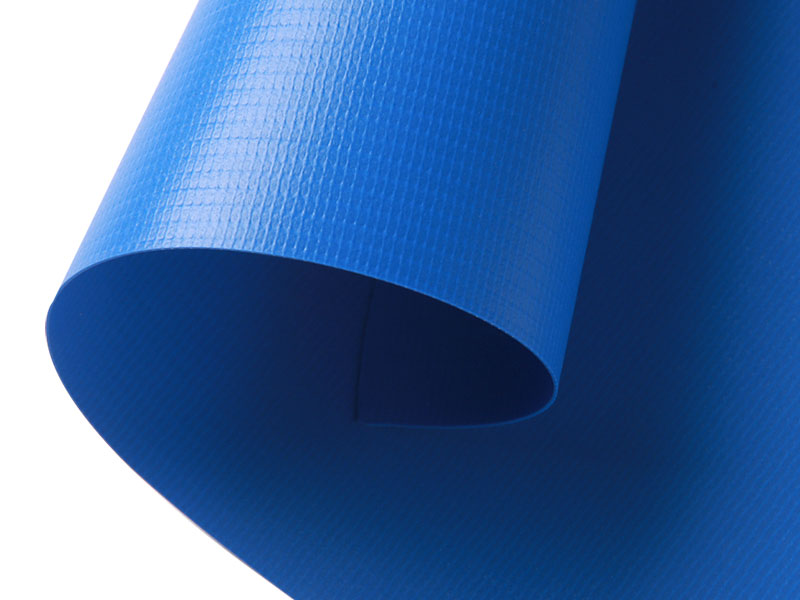

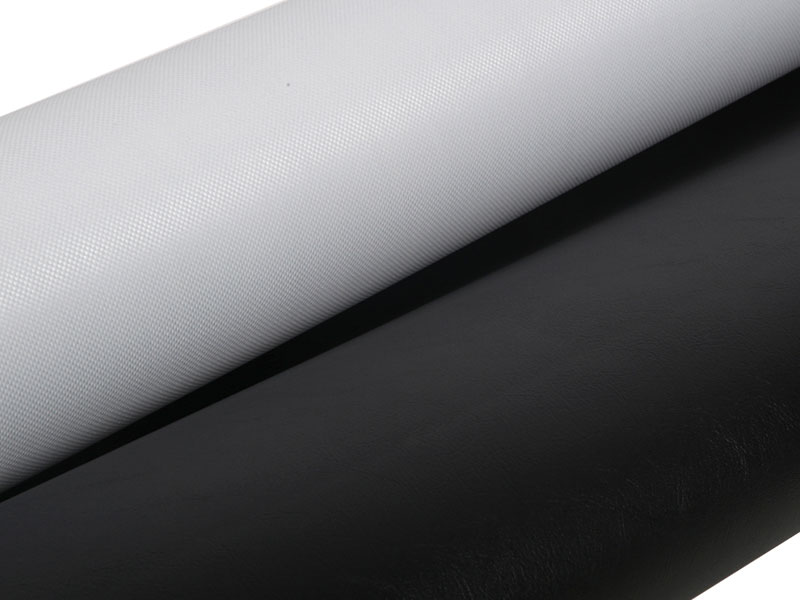
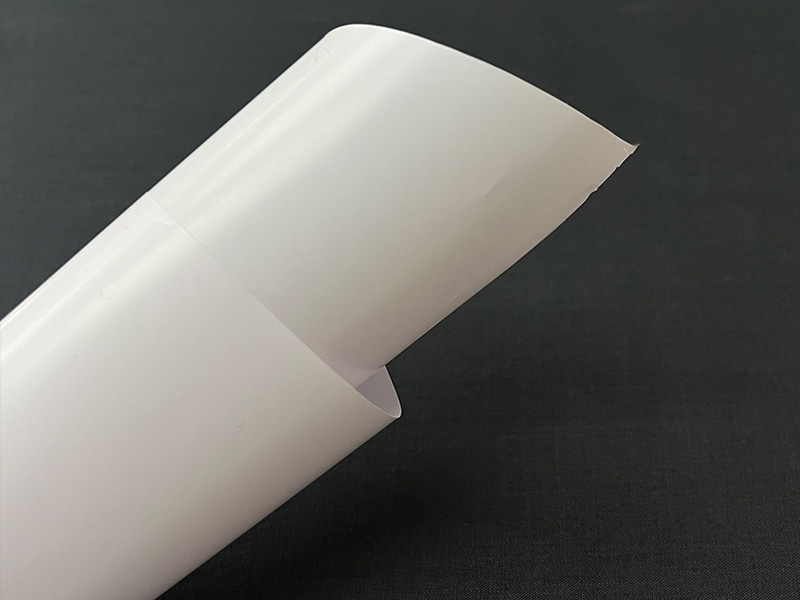

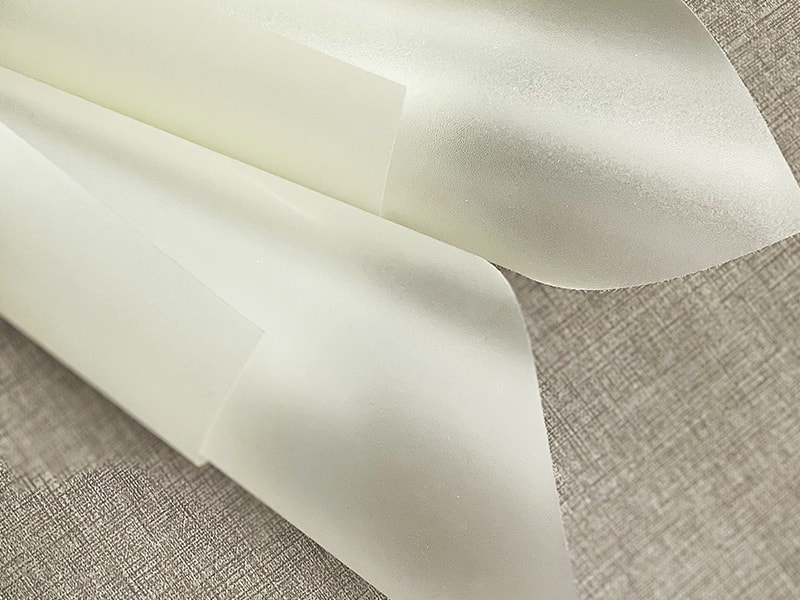
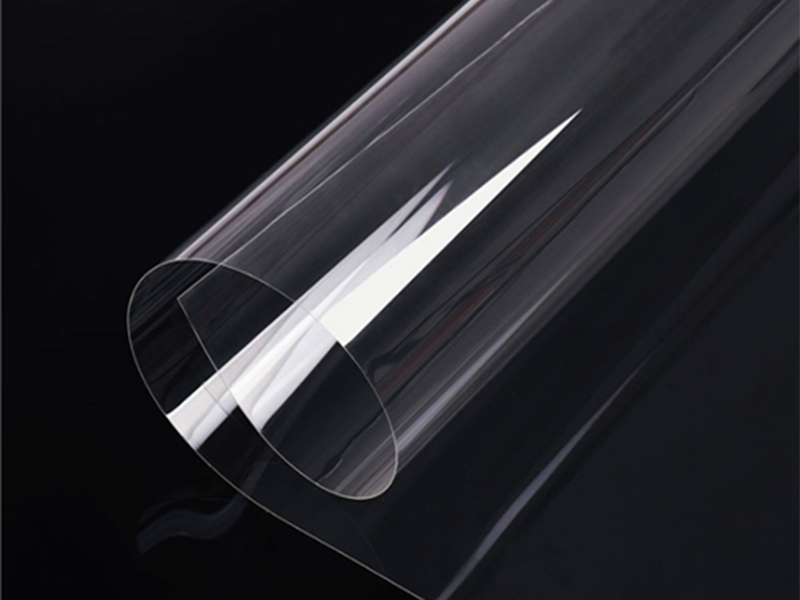


Biogas Digester PVC Cover Material
Biogas Digester PVC Cover Material is a flexible coated textile material developed for gas containment covers and selected anaerobic digestion system applications. It is commonly based on a textile reinforcement layer combined with PVC coating, forming a flexible membrane that can be fabricated into cover panels, storage enclosures, and other components of biogas facilities.
Material selection requires consideration of the operating environment, gas composition, digester design, installation method, and expected service conditions. Important evaluation factors include gas tightness, tensile strength, tear resistance, coating adhesion, flexibility, chemical compatibility, and resistance to outdoor exposure. The suitability of a particular PVC construction must be verified against the actual gas composition and project requirements.
Evaluate gas permeability and seam integrity under specified operating conditions.
Assess resistance to the actual gases, condensate, and environmental exposure.
Confirm strength and flexibility for installation and operational loads.
PVC Coated Fabric Construction for Digester Covers
PVC digester cover materials generally use a reinforced textile base with PVC coating. The reinforcement and coating system contribute different physical properties, so both should be considered when selecting a membrane for gas containment applications.
Reinforced Textile Base
The base fabric provides structural reinforcement and contributes to tensile strength, tear resistance, dimensional stability, and handling performance. Fabric type, yarn density, and construction influence the mechanical characteristics of the finished material.
PVC Coating System
The PVC coating forms the membrane surface and affects flexibility, coating adhesion, surface condition, and resistance to environmental exposure. Formulation and coating structure should be evaluated for the intended operating environment.
Surface and Functional Finishing
Surface finishing can be selected according to cleaning, handling, fabrication, and exposure requirements. Any additional treatment should be assessed for compatibility with the digester environment.
PVC coated fabric is not automatically suitable for every biogas composition. Methane, carbon dioxide, hydrogen sulfide, moisture, condensate, and other process substances may affect material performance. Confirm chemical compatibility and gas permeability using application-specific technical data.
Important Properties for Biogas Digester Cover Material
A digester cover operates under conditions that differ from ordinary outdoor tarpaulin applications. Procurement specifications should address gas containment, mechanical loads, and long-term environmental exposure.
Gas Permeability
Determines how readily gases pass through the membrane. The acceptable permeability level depends on the gas storage design and operating requirements.
Gas and Chemical Compatibility
The membrane should be evaluated against the actual gas mixture, moisture, condensate, and cleaning substances encountered in the system.
Tensile and Tear Strength
Relevant to membrane tension, support configuration, handling, installation, and loads associated with the operating system.
Coating Adhesion
Helps assess the bond between the PVC coating and textile reinforcement during fabrication and service.
Flexibility and Temperature Performance
Important for installation, folding, movement, and operation under the temperature conditions specified for the digester.
Weathering Resistance
Outdoor installations may require resistance to UV exposure, rain, temperature variation, and other site-specific conditions.
Actual performance depends on the PVC formulation, reinforcement, coating thickness, manufacturing process, and operating environment. Gas permeability, chemical resistance, and service life should not be inferred from GSM or material thickness alone.
Applications in Biogas Storage and Digester Systems
PVC membrane materials may be considered for different components of biogas facilities when their tested properties match the system design and process conditions.
Anaerobic Digester Covers
Used as a flexible cover material in selected anaerobic digestion systems. Gas compatibility, mechanical loading, and sealing design must be evaluated for the specific installation.
Biogas Storage Membranes
Can be evaluated for flexible gas storage structures where permeability, seam integrity, pressure conditions, and material compatibility meet the system specification.
Agricultural Biogas Facilities
May be used in selected agricultural waste digestion projects, subject to the composition of the produced gas and exposure to process-related substances.
Industrial Anaerobic Treatment
Potentially applicable to industrial wastewater and organic waste treatment facilities when the membrane is verified for the site's chemical and operating conditions.
Fabrication and Sealing Considerations
Fabrication quality is an important part of gas containment performance. The membrane material, joining process, edge reinforcement, and installation details should be considered as one system.
Welding Compatibility
Hot-air, wedge, or other suitable welding methods may be considered for compatible PVC constructions. Welding settings and seam strength should be verified through process trials.
Seam Integrity
Seam design and quality control are essential for gas containment. Finished joints should be inspected and tested using methods appropriate to the system's design and acceptance criteria.
Edge and Connection Reinforcement
Perimeter areas, attachment points, and connection sections may require additional reinforcement based on membrane tension and structural design.
Panel Layout and Installation
Panel dimensions, seam locations, support arrangement, and installation tension should be coordinated with the digester or storage system design.
Specifications to Confirm Before Procurement
A complete technical specification helps suppliers assess whether a PVC coated fabric construction is suitable for the intended biogas system.
| Parameter | Information to Confirm |
|---|---|
| Fabric Weight | Target GSM and acceptable production tolerance. |
| Base Fabric | Textile material, yarn specification, density, and reinforcement construction. |
| Coating Structure | PVC formulation, coating arrangement, thickness, and adhesion requirements. |
| Gas Permeability | Required permeability level, test gas, test conditions, and acceptance criteria. |
| Chemical Compatibility | Gas composition, hydrogen sulfide concentration, moisture, condensate, and cleaning agents. |
| Mechanical Properties | Tensile strength, tear resistance, seam strength, and dimensional stability. |
| Temperature Range | Minimum and maximum operating temperatures and installation conditions. |
| Roll Dimensions | Required width, roll length, winding format, and packaging specifications. |
Technical values should be established by the project designer or equipment manufacturer and verified through applicable test reports and approved samples.
Inspection Points for Biogas Cover Material
Consistent material properties help membrane fabricators control panel production and reduce variation between batches. Inspection should cover both the coated fabric and the finished welded assembly.
Surface and Coating Inspection
Check coating uniformity, visible defects, surface contamination, and edge condition.
Dimensional Verification
Measure fabric weight, thickness, and width against the approved specification.
Mechanical Testing
Verify tensile strength, tear resistance, and coating adhesion using agreed methods.
Gas Permeability Testing
Assess permeability using the specified gas and test conditions relevant to the application.
Seam and Joint Testing
Evaluate welded joints and finished connections according to the system's inspection requirements.
Information Required for a Material Quotation
Biogas system projects often involve application-specific requirements. Providing the following information can make technical evaluation and material selection more accurate.
System Design
Digester type, cover configuration, membrane dimensions, support arrangement, and operating pressure conditions.
Gas Composition
Gas components, hydrogen sulfide concentration, moisture level, condensate exposure, and other relevant process substances.
Material Performance
Required permeability, mechanical properties, chemical compatibility, temperature range, and outdoor exposure criteria.
Supply Requirements
Roll width, quantity, sample requirements, packaging, delivery location, and project schedule.
Frequently Asked Questions
What is biogas digester PVC cover material made of?
It is generally a PVC coated textile material consisting of a reinforced fabric base and PVC coating. The specific base fabric, coating formulation, and construction depend on the manufacturer's product specification.
Can ordinary PVC tarpaulin be used as a biogas digester cover?
Not necessarily. Ordinary PVC tarpaulin may not have verified gas permeability, chemical compatibility, or seam performance for biogas containment. The selected material should be specifically evaluated against the gas composition and operating conditions.
Why is gas permeability important for a biogas cover?
Gas permeability describes the rate at which gas passes through a material. It is an important parameter for containment systems because the membrane must meet the project's gas retention requirements. Test gas, temperature, pressure, and measurement method should be specified.
Is PVC cover material resistant to hydrogen sulfide?
Resistance depends on the PVC formulation, material construction, hydrogen sulfide concentration, moisture, temperature, and exposure duration. Compatibility should be confirmed using application-specific test data rather than assumed for all PVC coated fabrics.
Can PVC coated fabric be welded into large digester covers?
Compatible PVC coated fabrics can be joined using suitable welding processes. The welding method, seam design, and process parameters should be validated through trials, followed by appropriate seam inspection and testing.
Which specifications should be checked before placing an order?
Buyers should confirm GSM, thickness, reinforcement construction, tensile and tear strength, gas permeability, chemical compatibility, temperature range, roll dimensions, and required seam performance.