

 English
 中文简体
 русский
 Español
 Français
 عربى
 Português
 हिंदी
 Indonesia
 فارسی
 Tiếng Việt
 Türk



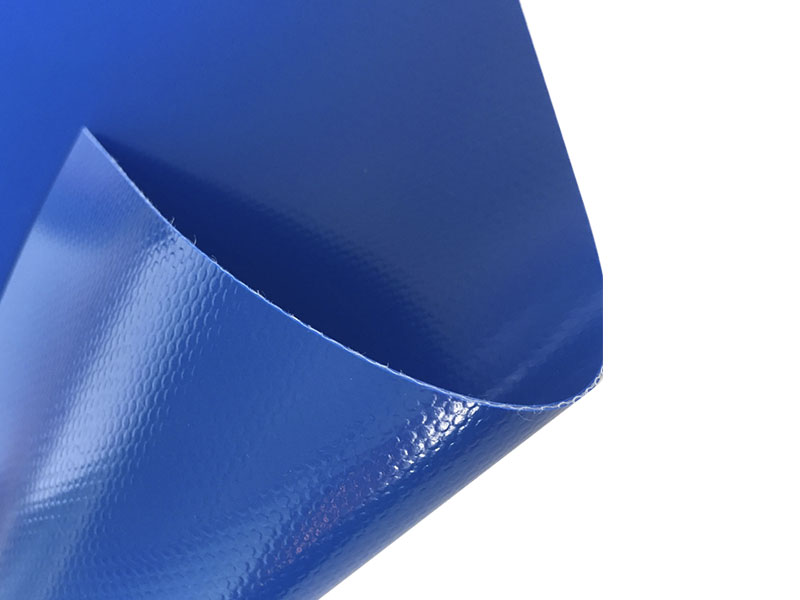
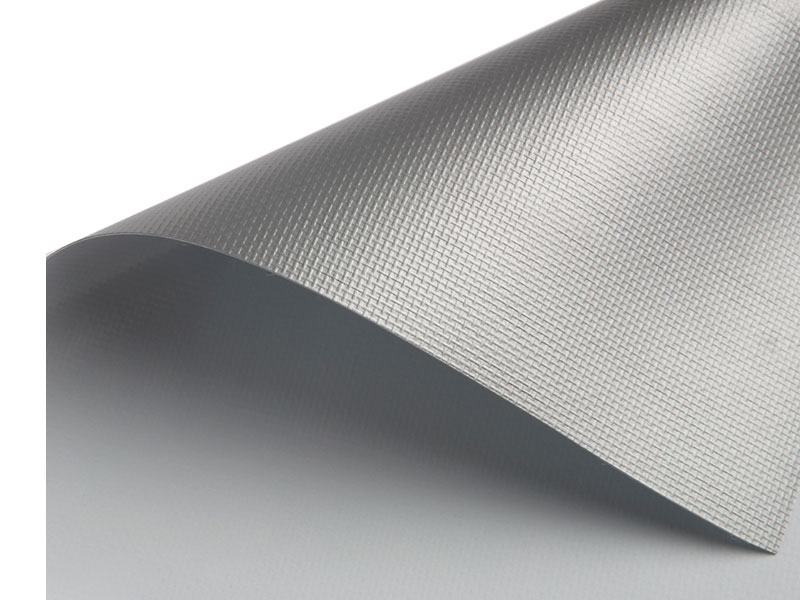
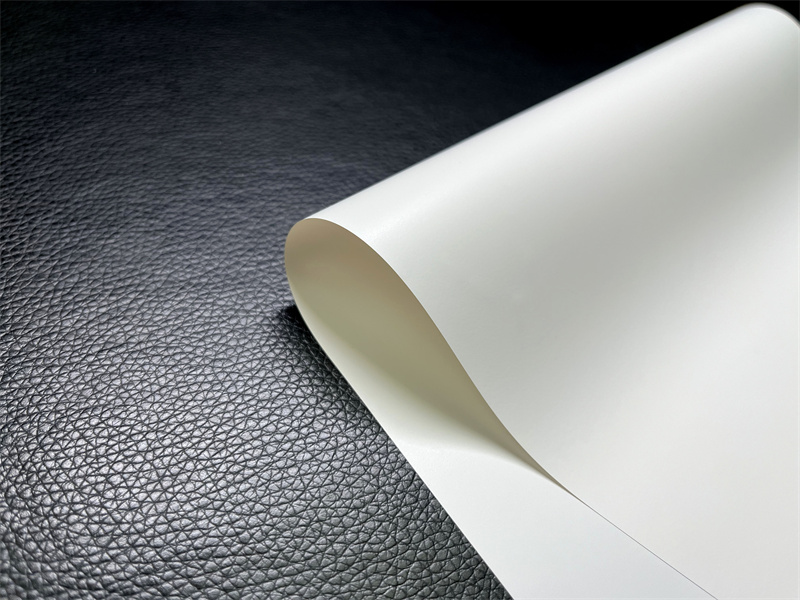
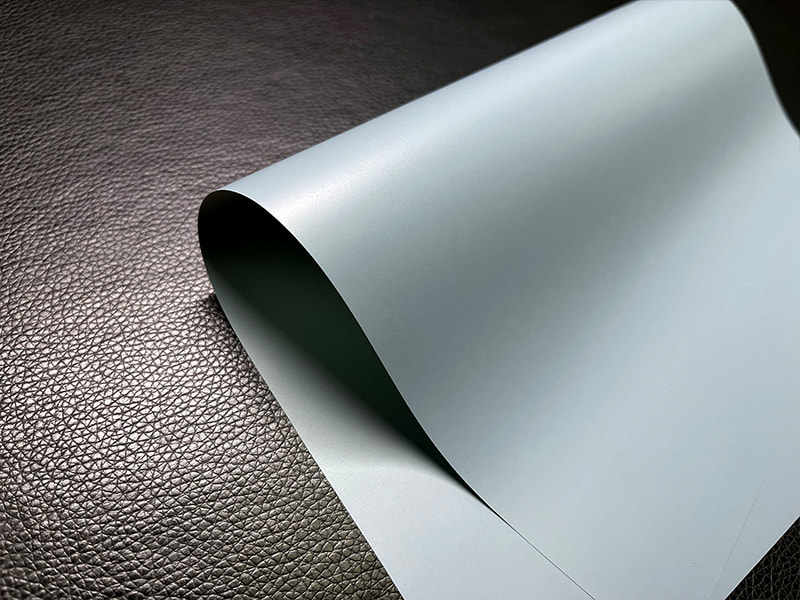
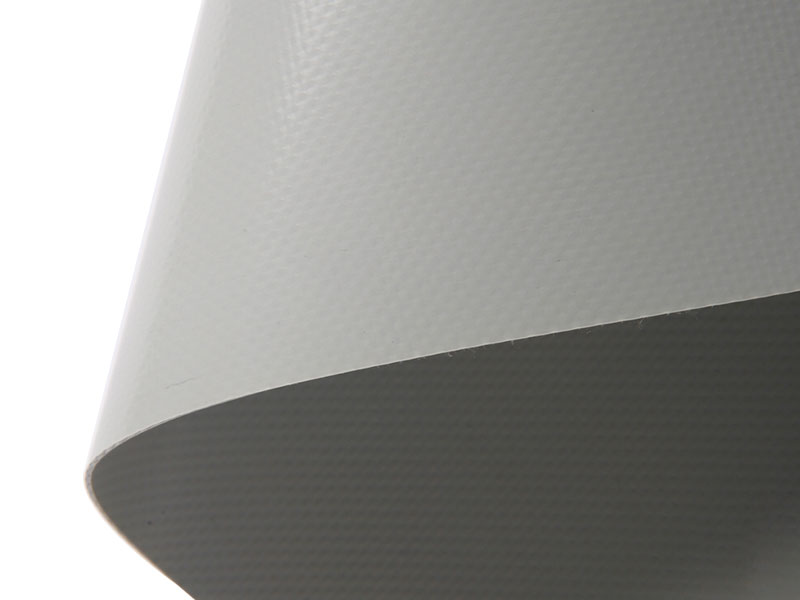
Impact-Resistant Interior PVC Film Fabric
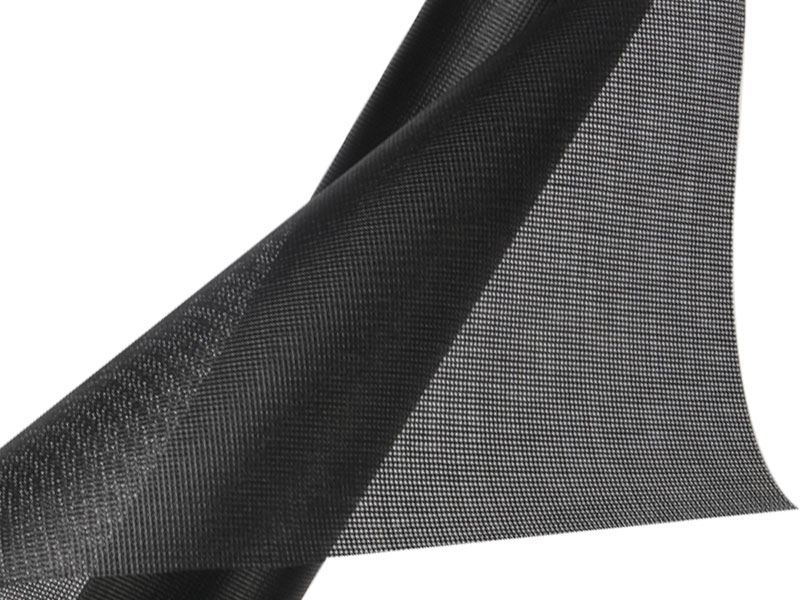
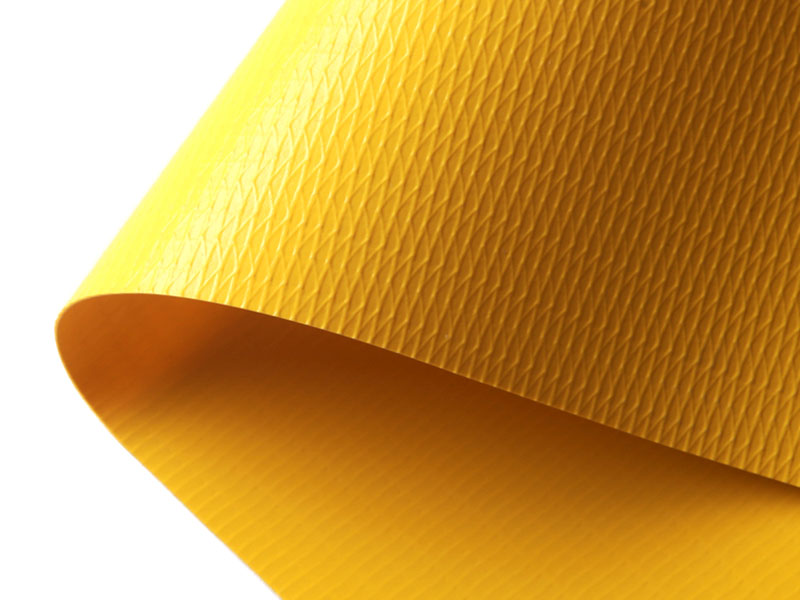
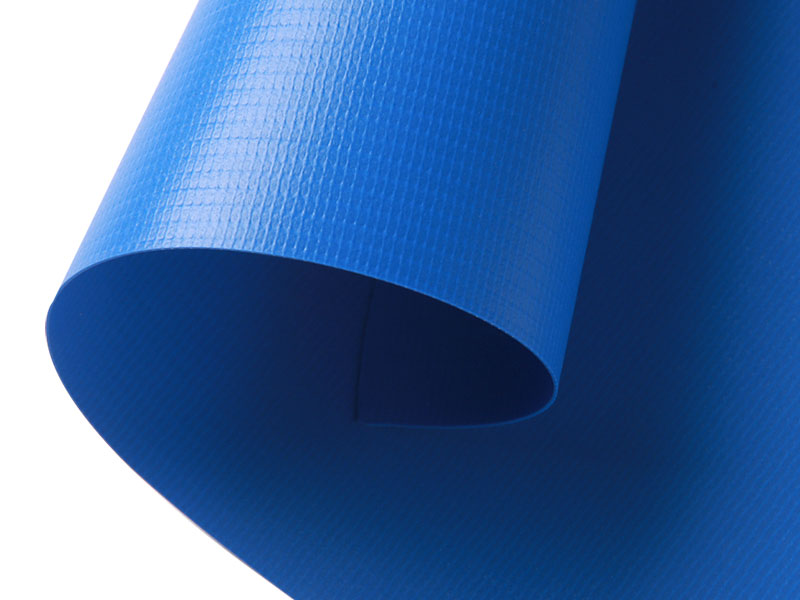
Impact-Resistant Interior PVC Film Fabric is a coated polyvinyl chloride textile with a high-tenacity polyester scrim or woven carrier, engineered for interior surfaces exposed to repeated mechanical contact. The fabric is supplied in rolls of 0.30 mm to 1.20 mm total thickness and 1.0 m to 2.0 m width, with a coating weight of 350 g/m² to 800 g/m² per face. Impact performance is derived from the woven carrier, which distributes point loads across the yarn network, while the PVC coating provides a cleanable, chemically resistant face. The product is used on wall protection panels, door skins, service counter fronts, and furniture surfaces in healthcare, education, transport, and public interiors.
Program-Based Custom Supply
Impact-Resistant Interior PVC Film Fabric is supplied under an ODM/OEM arrangement. Carrier construction, coating weight, emboss, color, backing, and roll format are set to the buyer's wall protection or furniture program. A material card is issued for each custom configuration and is used as the acceptance reference for every production lot.
Impact Performance Classes
Where the Impact Resistance Comes From
Woven Carrier as Load Network
The polyester scrim carries the impact energy. When a point load strikes the surface, the woven yarn network spreads the force laterally across the panel face instead of allowing a concentrated dent. Carrier density and yarn tenacity are selected against the expected impact energy, and the carrier is heat-set before coating to limit elongation under load.
Coating Thickness and Recovery
The PVC coating thickness determines how much of the impact is absorbed before the carrier is engaged. Thicker coatings recover from shallow dents more readily, while thinner coatings maintain sharp emboss detail. The coating is formulated to remain flexible at low temperature so the surface does not craze when struck in a cold corridor or transport interior.
Backing Layer Effect
Foam-backed grades add a compressible layer between the fabric and the substrate, which absorbs high-energy impacts from trolleys, beds, and carts. Unfaced grades are used where the fabric is mechanically fixed to a rigid panel, and the panel itself contributes to the impact response. Backing selection is made against the substrate and the expected load, not against the fabric alone.
Surface Hardness and Scuff Resistance
A polyurethane topcoat is applied over the PVC face to reduce surface scuffing from footwear, wheels, and cleaning equipment. Scratch resistance and impact resistance are separate properties: the topcoat protects against surface marking, while the carrier and coating protect against deformation. Both are specified together in high-contact areas.
Technical Data
Interior Applications by Zone
Impact-Resistant Interior PVC Film Fabric is used on wall protection panels and bed head walls where trolleys, beds, and equipment contact the surface. Foam-backed heavy-duty grades are specified at impact height, while lighter grades cover the upper wall. The PVC face withstands routine disinfection with quaternary ammonium and alcohol products.
Classroom walls, corridor panels, and locker surrounds use medium-duty grades where contact comes from bags, furniture movement, and casual impact. The carrier prevents puncture and tearing, and the embossed face hides scuffs from shoes and chair backs.
Bus, rail, and airport interiors use heavy-duty grades on partition panels, door surrounds, and seat backs. The fabric is specified with fire classification data for the full assembly, and the low-temperature flexibility rating supports use in unheated vehicles.
Service counters, reception desks, and door push plates use medium to heavy grades where the surface is subject to hand contact, trolley strikes, and repeated cleaning. The fabric accepts die cutting for access apertures and can be supplied as pre-cut panels with edge finishing.
Buyer Questions
How is impact resistance tested and reported?
Impact performance is evaluated with a falling-weight or pendulum test on a specified substrate and backing. The test report states the impact energy, the indent depth, and whether the coating or carrier shows damage. Because impact results depend on the substrate and fixing method, the test report is issued for a defined assembly and should be referenced against the actual wall build-up in the project.
What is the difference between impact resistance and puncture resistance?
Impact resistance describes the fabric's response to a blunt force, such as a trolley strike, and is governed mainly by the carrier and the backing. Puncture resistance describes the fabric's response to a sharp point, such as a tool tip, and is governed by the carrier density and coating thickness. Both properties are reported separately, and a heavy-duty impact grade is not automatically a high puncture grade.
Can the fabric be used on curved surfaces and columns?
Yes. Woven-carrier fabric conforms to curved substrates when it is specified with a flexible coating and a suitable adhesive or mechanical fixing. The minimum bending radius depends on the total thickness and the backing; foam-backed heavy-duty grades require a larger radius than unfaced medium grades. Forming samples at the project radius should be approved before production.
How should the surface be cleaned after impact or staining?
Clean with a soft cloth and a neutral detergent solution or an alcohol-based sanitizer, then rinse with clean water. Do not use abrasive pads, solvent cleaners, or high-alkaline products, which attack the topcoat and can leave permanent dull patches. Stains from clinical agents such as iodine and chlorhexidine should be removed promptly, and the supplier's chemical resistance chart should be consulted for specific agents.
What documentation supports a project submittal?
Each order is supplied with a material card stating carrier, coating weight, total thickness, and color reference, together with the impact test report for the specified assembly, the fire classification report, and the chemical resistance chart. Batch codes on the roll label link the delivered material to the documentation, which supports project handover for healthcare, education, and transport specifications.
Storage and Fabrication Notes
Store Impact-Resistant Interior PVC Film Fabric rolls upright on a core-supported rack in a dry area at 15°C to 25°C. Do not lay rolls on their side, as edge compression can distort the coating and mark the surface.
Allow rolls to reach room temperature for 24 hours before cutting or applying. Cold fabric is stiffer and more difficult to conform to corners and curved substrates.
Cut with a sharp rotary blade, hot knife, or die cutting tool. Inspect cut edges for loose yarns before applying the fabric, as protruding yarns interfere with edge finishing and adhesive bonding.
Use the adhesive or mechanical fixing system specified for the backing type. Foam-backed grades require an adhesive with sufficient grab to hold the compressible layer, and unfaced grades should be fixed with the recommended edge trim and fasteners.
Keep unused rolls wrapped and record the lot number. Fabric from different lots should not be used on a continuous wall, because slight color variation between lots can be visible under daylight.